
A Birthday Choice.
On her thirtieth birthday, Clara faced a decision. She could buy the designer handbag she had been eyeing for months, its smooth leather glowing like honey under the boutique’s soft lights. Or she could book a weekend trip to Italy with her closest friends. She chose the trip. In Florence, the air was laced with espresso and warm bread. The streets pulsed with violin music, laughter spilling into twilight. Years later, Clara doesn’t talk about the bag she didn’t buy—she talks about the midnight gelato shared on cobblestones, the spontaneous dance under a sudden rain, the way her friends’ voices echoed in vaulted cathedrals. The handbag would have rested in her closet. The memory still travels with her everywhere.

The Wedding Gift.
For their wedding, Alex and Jordan received two types of presents. From some guests came elegant kitchenware, boxed and wrapped in silver bows. From others, airline vouchers tucked inside envelopes with handwritten notes: “Use this to explore.” At first, the couple cherished their sparkling cookware—it gleamed on shelves, whispering promises of domestic joy. Yet five years later, what they recall most vividly are not the pans, now scratched from daily use, but the trip those vouchers bought: a honeymoon in Bali, where they snorkeled in turquoise lagoons, walked hand in hand through rice terraces, and woke each morning to the sound of roosters and the scent of frangipani. They realized then: objects fade, but shared adventures grow brighter in memory.

The Collector’s Cabinet.
Mr. Han, a retired teacher, fills his apartment with antiques. Carved jade figurines, lacquer boxes, delicate porcelain cups. Each piece glitters with history, yet often gathers dust. He enjoys polishing them, but admits a strange emptiness after every purchase. “I thought the next one would complete the collection,” he says softly, “but it never does.” His neighbor Mei, on the other hand, spends her money differently. She signs up for painting classes, joins weekend hikes, and volunteers at local theaters. When asked about her happiest moments, her face lights up—not over possessions, but over the thrill of learning, the ache in her legs after a long climb, the laughter backstage with strangers who became friends. Two apartments. Two lives. And two very different legacies of joy.
The Family Vacation.
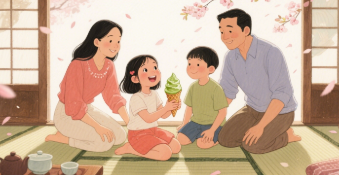
The Nguyen family once debated whether to renovate their living room or go on a summer trip to Japan. The couch was frayed, the carpet stained, the walls in need of fresh paint. Practical voices insisted: “Fix the house first.” But one evening, as they ate takeout sushi at the kitchen table, the youngest child whispered, “I want to see where this food comes from.” That sealed it. In Tokyo, the children gasped at glowing vending machines and bowing train attendants. In Kyoto, they learned to bow themselves, savoring green tea ice cream beneath temples older than their imaginations. The living room back home still looked worn, but when the family gathered there later, they laughed over shared memories—suddenly, the stains didn’t matter.
The Concert Ticket.
Diego loves music. He once spent an entire paycheck on the latest sound system—sleek speakers, perfect acoustics, the promise of flawless sound. For weeks, he admired it, hosted friends, blasted playlists. But slowly, the novelty dulled. One night, instead of upgrading again, he bought a ticket to see his favorite band live. In the crowded arena, strangers sang in unison, the floor vibrating with bass, confetti raining down like a kaleidoscope. Diego still remembers the goosebumps, the tears in his eyes when the chorus swelled. The speakers remain in his apartment, collecting dust. But the concert? That moment lives in his chest like a heartbeat.
The Tech Upgrade.
Sophia, a young professional, used to chase every new phone release. Each glossy box carried a promise: sharper photos, faster apps, sleeker design. But within months, another model arrived, and the excitement vanished. One winter, she decided to spend differently. She enrolled in a cooking workshop in Paris. The aroma of sizzling butter, the feel of kneading dough with flour-dusted hands, the camaraderie of classmates tasting each other’s soufflés—it intoxicated her. Years later, she no longer remembers the specs of her old phones. She does, however, recreate French onion soup on rainy evenings, each spoonful pulling her back to that warm Parisian kitchen filled with laughter.
The Grieving Friend.
When Maria lost her father, friends rushed to comfort her. Some sent bouquets, their petals lush and fragrant but soon wilting. Others pooled money to buy her a photography retreat by the sea. The flowers faded within a week, their stems brittle in the vase. But the retreat? That changed everything. In the quiet mornings, as she learned to frame light on water and capture shadows of waves, Maria found herself healing. She still keeps the photos in an album, not as art but as anchors. They remind her of resilience, of renewal. Experiences did not erase grief, but they gave her tools to carry it.
The Retirement Splurge.
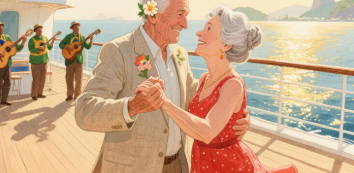
Mr. and Mrs. O’Connor, after retiring, received a substantial sum from selling their home. Friends advised investing in luxury furniture or a brand-new car. But they booked a slow cruise around the world instead. For nearly a year, they watched sunsets from the deck, tasted spices in Morocco, danced in Brazil, traced history in Rome. “We can’t take furniture to the grave,” Mr. O’Connor joked. “But we’ll carry these sunsets in our souls.” Their story became family lore, told over and over at gatherings. No one remembers the model of their old sofa—but everyone remembers the tale of their samba in Rio.
The Sibling Contrast.
Two sisters, Leah and Rachel, illustrate the divide clearly. Leah spends her bonuses on jewelry, handbags, silk scarves. Her closet is a shrine to luxury. Rachel spends hers on courses—pottery, photography, yoga retreats. At family dinners, Leah shows new purchases, polished and shining under the light. Rachel shows stories: clay on her hands, bruises from hiking, songs sung with strangers around a fire. Ten years later, Rachel’s apartment is modest, but her life brims with color. Leah’s closet is overflowing, yet she sometimes admits she feels oddly empty. Two approaches, two outcomes, both revealing the quiet truth of how happiness grows.
A Simple Morning.
Even the smallest decisions matter. Daniel once debated: should he buy another gadget, or should he spend that money on a train ticket to visit his grandmother two towns away? He chose the ticket. That morning, he woke early, boarded the train, and brought pastries still warm from a bakery. His grandmother opened the door with tears in her eyes, arms trembling as she hugged him. The pastries were eaten quickly. But the memory—the warmth of her embrace, the smile that lingered all day—has never left him. A gadget might have been lost, broken, or outdated. That morning still feels eternal.